

Caring for Our HIV Heroes
Aging in Place
In 1985, Chicago House was founded as a safe haven during the AIDS crisis, providing a supportive community for people facing stigma and isolation. Today, advances in treatment mean more people are living longer, but growing older brings unique challenges for those we serve. Nearly half of our residents are over 50, reflecting a nationwide shift toward an HIV population expected to be 70% over 50 by 2030.
Through our Aging in Place campaign, Chicago House will establish a national model for housing long-term survivors of HIV. With your support, we can add to our legacy of dignified care as we enter this next chapter of our mission.
Augusta Home
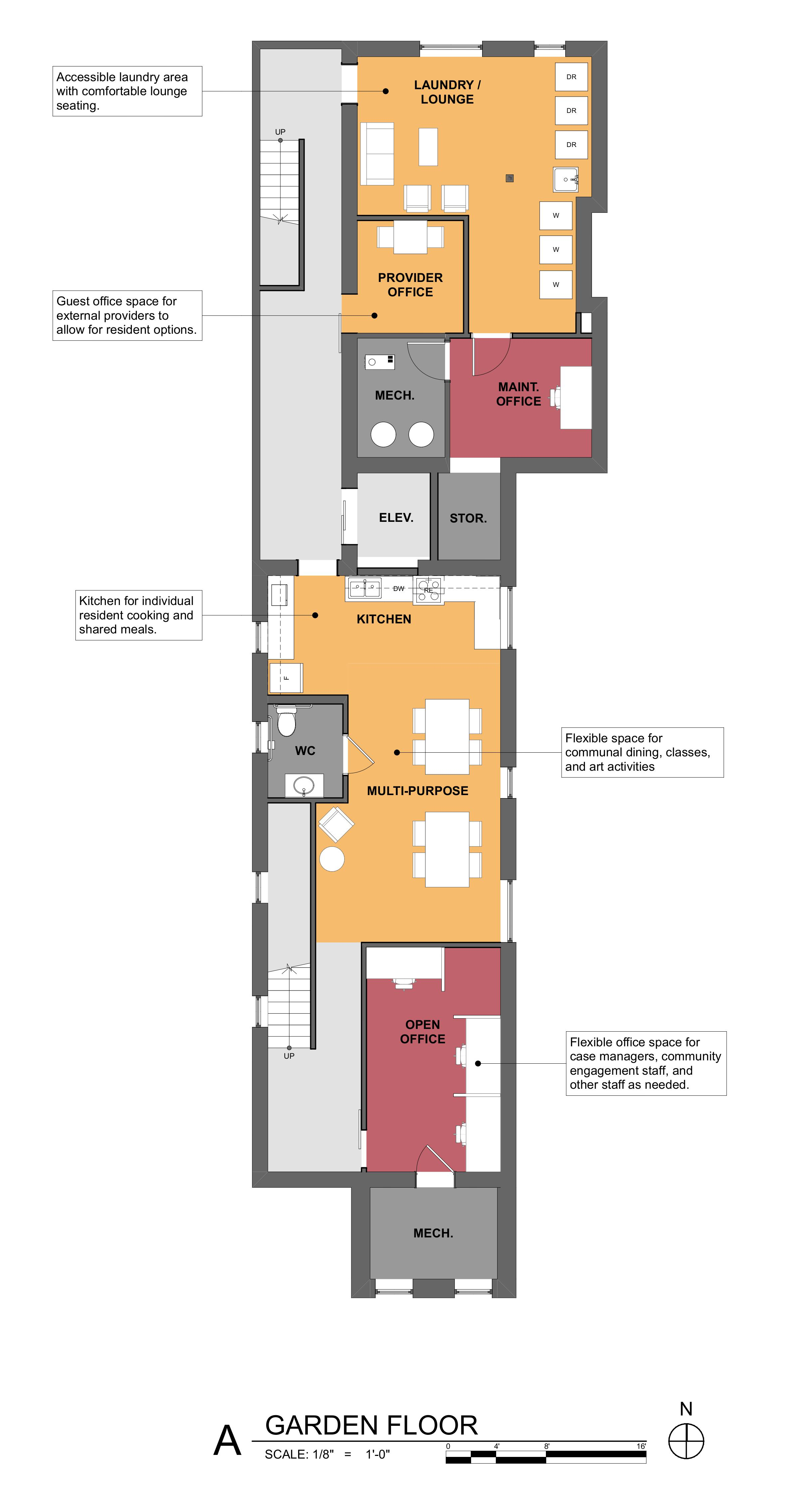
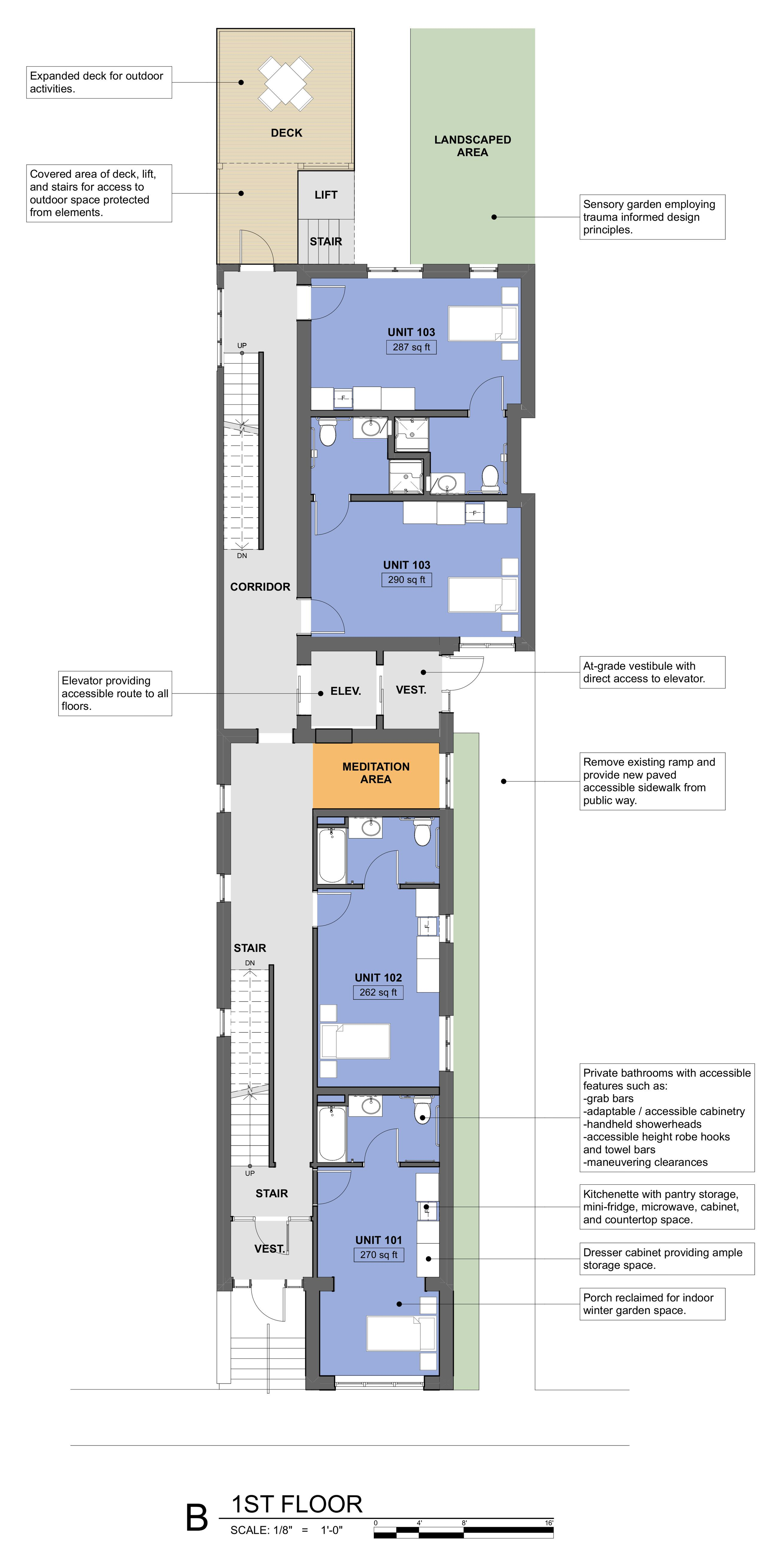
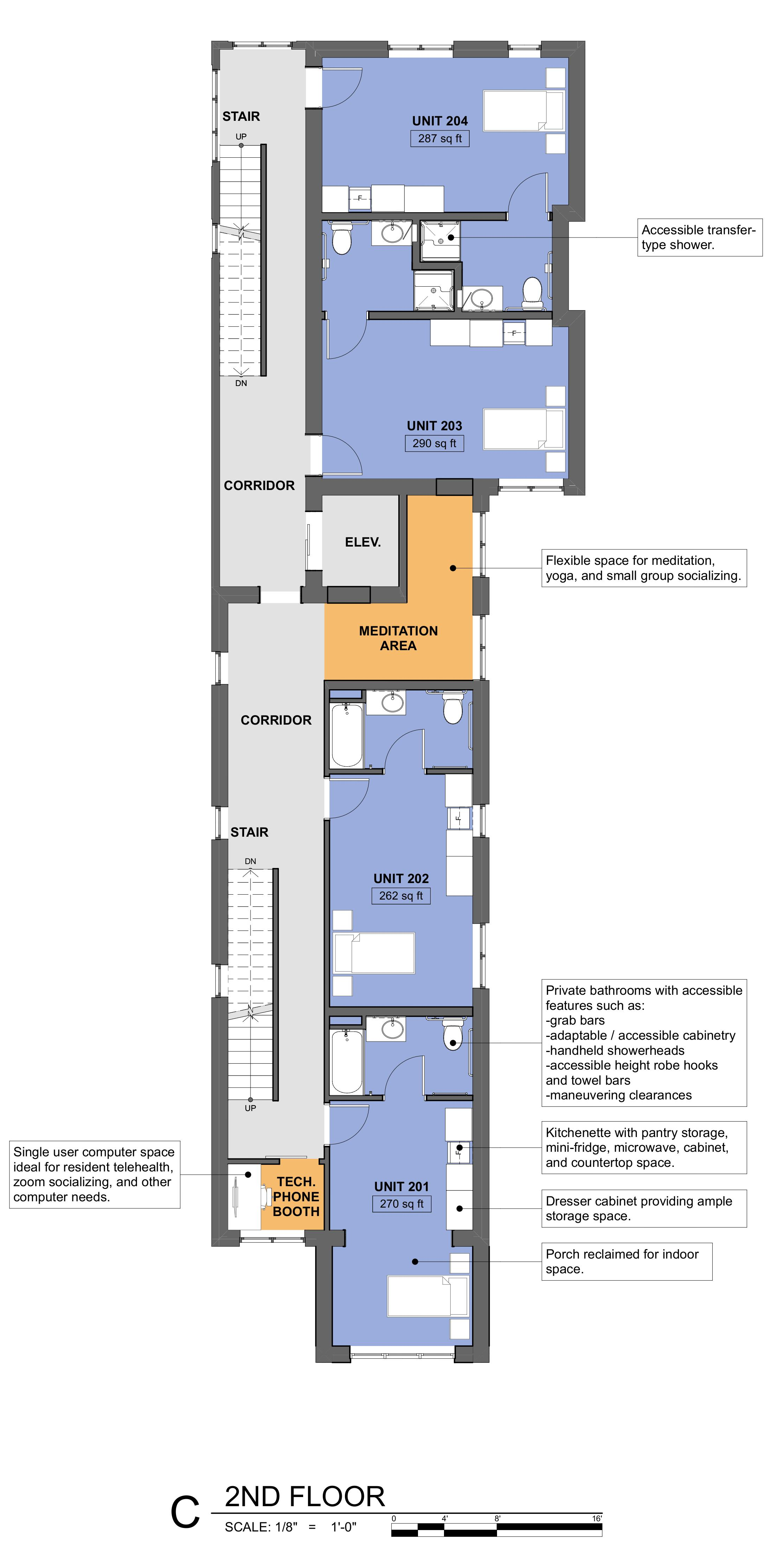
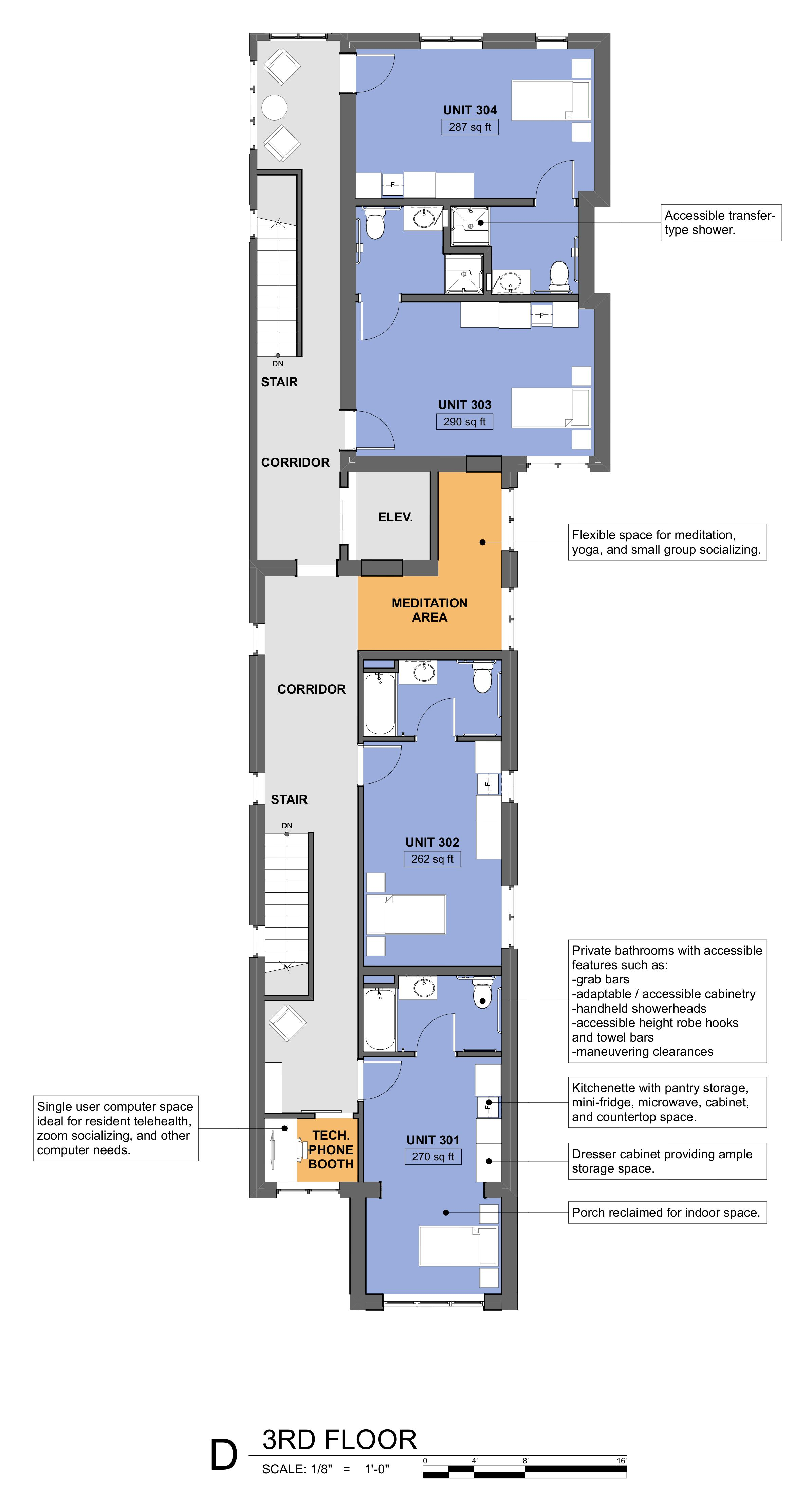
Our West Town site will be transformed into a more accessible environment that includes an elevator, upgraded common areas, and other features designed to make daily life easier.
Enhanced Care
Our services for older adults will extend beyond traditional housing and case management, creating a more holistic approach to improve independence and quality of life.
Aging-Informed Workforce
Our staff will receive specialized training in aging with HIV, giving our team the knowledge and tools to better respond to the experiences of residents.
Building a Legacy
We honor the leaders whose generosity is making this growth possible.
Co-Chairs
Michel Desjardins | Raymond Lechner | Nabeela Rasheed
Innovator
Alphawood Foundation
Advocate
Crown Family Philanthropies
Sponsor
Michael Herman | Scott Neslund | Michael Raffety
Supporter
Ted Grady | CJ Jensen
Partner
Anonymous Donor | Austin Baidas | Alan Durand | Arthur Ostry | Jeff Ross
Friend
Karen Donnan | George Langlois | Matt Nash
Make History With Us
Frequently Asked Questions
Why is 50 years old considered “aging” for the HIV population?
In HIV care, age 50 marks a significant turning point. People living with HIV can experience “accelerated aging,” as persistent inflammation, even when the virus is well controlled, can increase the risk of age-related conditions, including cardiovascular disease and certain cancers.
Additionally, long-term drug interactions can have impacts on vital organs leading to heart disease, diabetes, and kidney issues. Older adults with HIV may face unique challenges like stigma, isolation, and limited social support, which can affect mental health and treatment adherence. So, while 50 isn’t “old”, for people living with HIV it is a signal to start integrating geriatric principles into care.
Who will benefit from the Aging in Place Model?
Chicago House serves more than 800 individuals over the age of 50, including nearly 40% of our residential clients. We will focus on housing these individuals. Eligibility will prioritize low-income, at-risk of homelessness, and HIV-positive diagnosis. Additionally, Chicago House is working with the U.S. Department of Housing and Development on a three-year project to introduce this model to other communities as a national standard for housing for older adults living with HIV.
Why is this adaptation necessary?
HIV housing was initially designed for a younger, more mobile population. Accessible housing can help older adults remain safely housed and avoid preventable health complications that can lead to costly emergency room visits and hospital stays. By investing in the right environment from the start, Chicago House can help reduce reliance on expensive healthcare services while improving quality of life for residents.