
An Integrated Path Forward
Proposed federal policy changes have intensified the need for better integration between housing and workforce supports. New requirements tying housing and public benefits to rigid work expectations have placed added pressure on individuals who are still recovering from trauma. While Chicago House has long prioritized client choice, harm reduction, and peer support, these shifts demand more intentional workforce strategies that help residents secure and sustain employment without jeopardizing their stability.
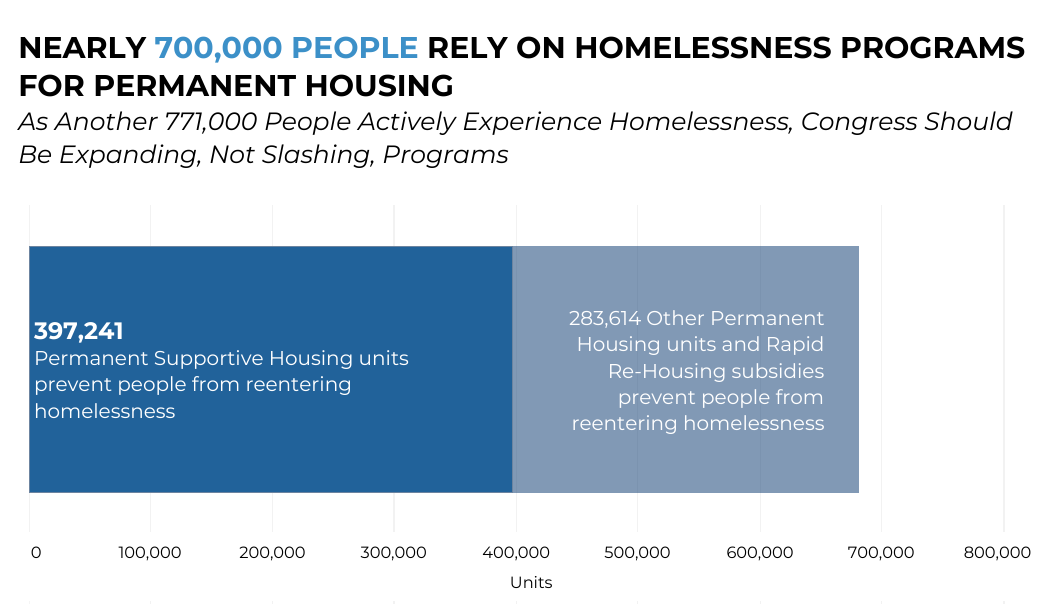
The problem is structural. Housing and workforce systems are shaped by separate funding streams, forcing people to navigate fractured pathways. Since 2005, Chicago House has taken a different approach, bridging housing with supportive services so residents can rebuild at a pace aligned with healing, not arbitrary job-readiness timelines.
Last year, Chicago House began laying the groundwork in response to these policy shifts, with plans to open our Community Health Apprenticeship Program (CHAP) to all ages and ensure more adults have access to paid workforce readiness opportunities. In November, we entered a planning phase with Siani Urban Health Institute and the Rush Center for Excellence in Aging to adapt the CHAP curriculum and better align it with the full community health career continuum, particularly roles supporting older adults. The goal was to strengthen what already works, not rebuild from scratch, while ensuring pathways reflect real labor market opportunities and varying levels of readiness.
Beginning in spring 2026, this work moves into implementation. Participant tracks will meet both entry-level and experienced individuals where they are, curriculum updates will be phased in as they are completed, and outreach to older adult populations will expand with peers and trainers who reflect participants’ lived experiences. This allows the program to remain flexible while improving consistency and quality.
The bottom line is housing stability. These efforts are designed to help residents stay housed while navigating new work-related requirements, remain connected to healthcare, and move into employment that supports long-term independence rather than putting stability at risk.
As Giving Day approaches at a critical moment globally, support is essential. Contributions will help Chicago House keep people housed while strengthening integrated workforce pathways that respond to today’s realities and protect hard-won progress in healthcare.