
Breaking Ground in East Garfield Park
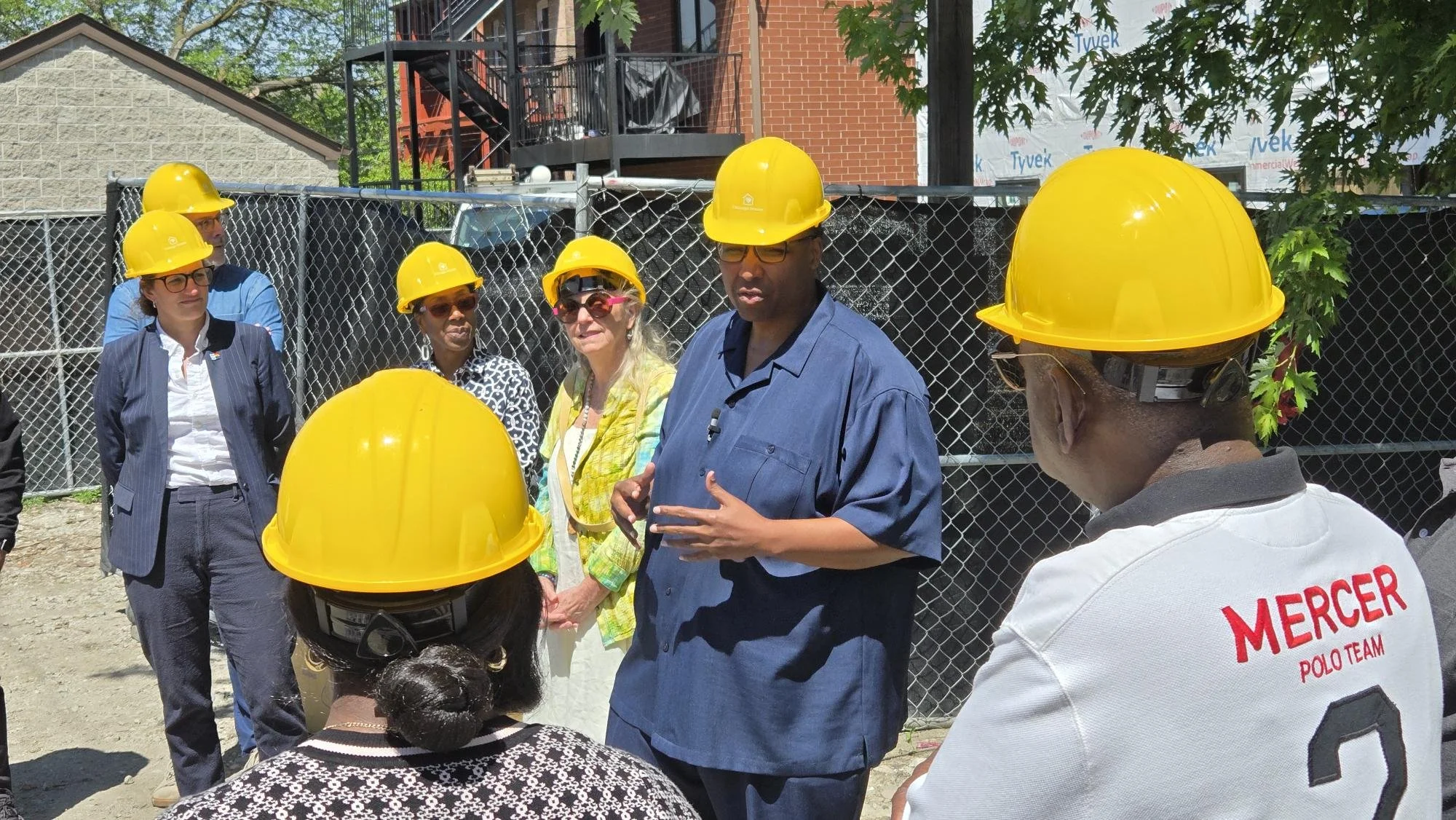
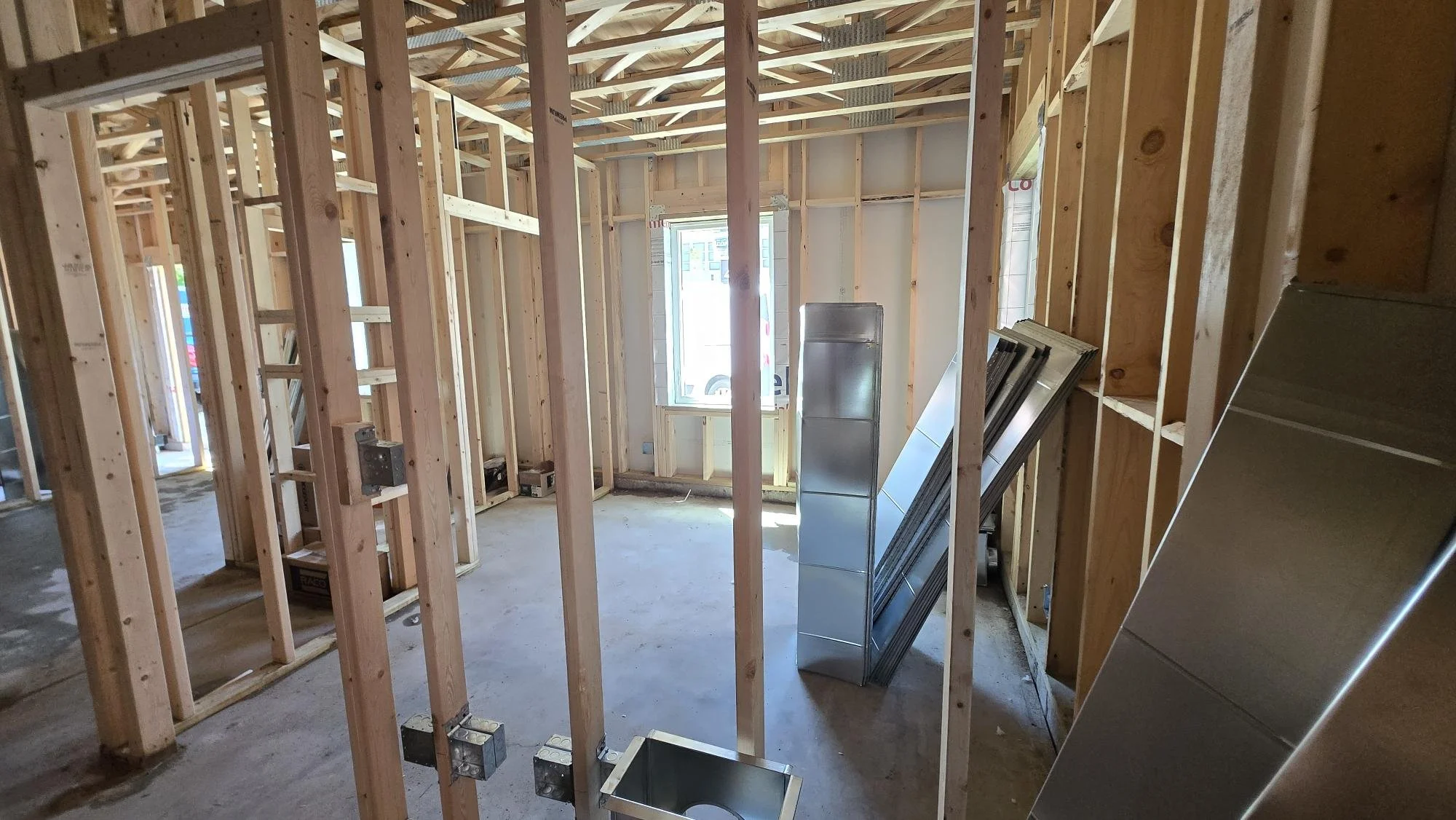
After months of anticipation, construction will begin soon in East Garfield Park! This is a major step forward in expanding stable, supportive housing for people impacted by HIV at a time when housing solutions are under unprecedented pressure nationwide.
The federal landscape is shifting in troubling ways. Some policymakers are pushing to criminalize homelessness, penalizing people for sleeping or surviving in public spaces instead of investing in real housing solutions. At the same time, funding for permanent supportive housing (PSH) is under threat, endangering programs that have consistently proven effective in ending chronic homelessness.
East Garfield Park Homes is a direct response to this moment. By creating new units with on-site supportive services, we are advancing a model that prioritizes stability and long-term health over the punitive approaches gaining traction elsewhere.
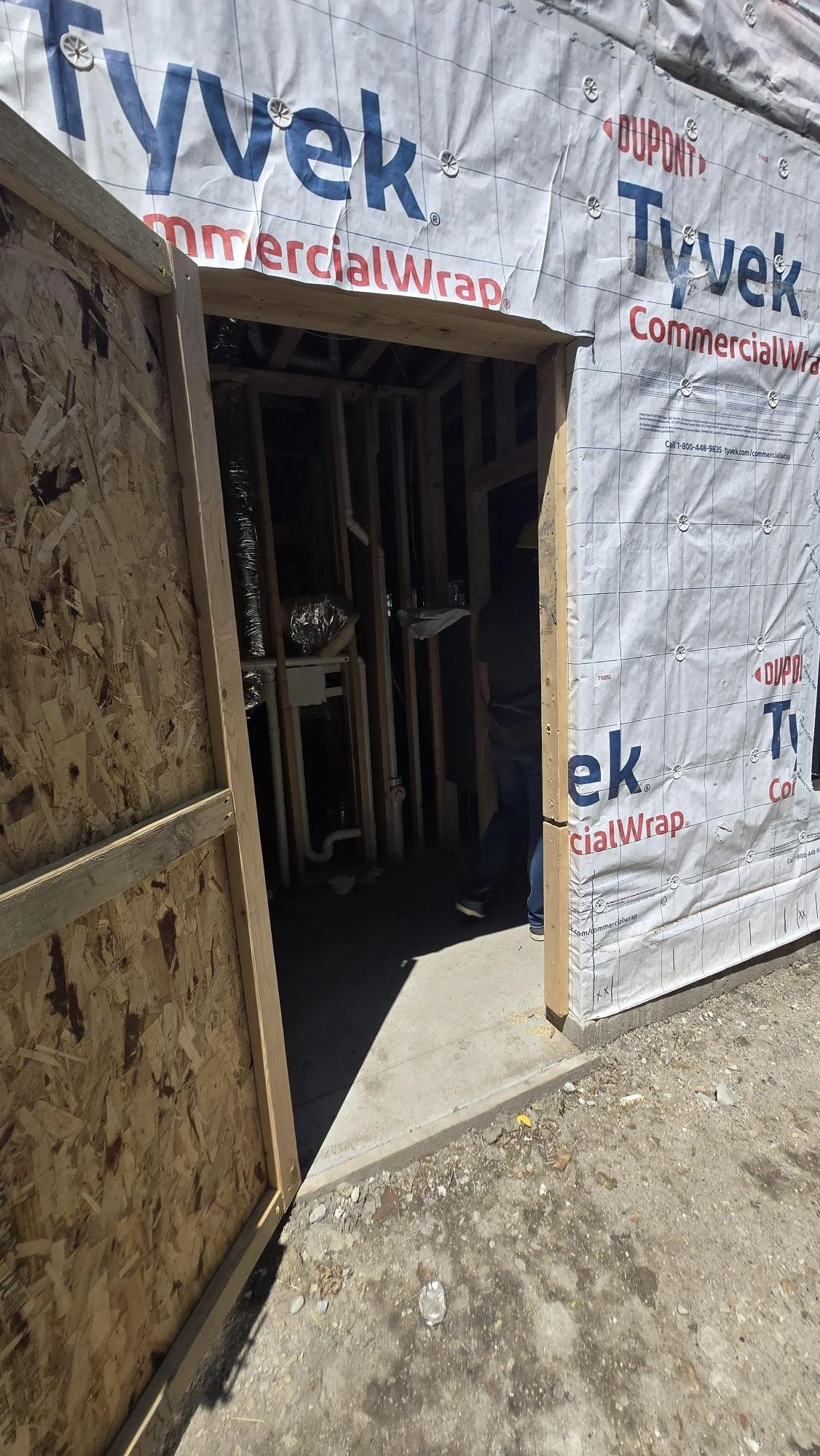
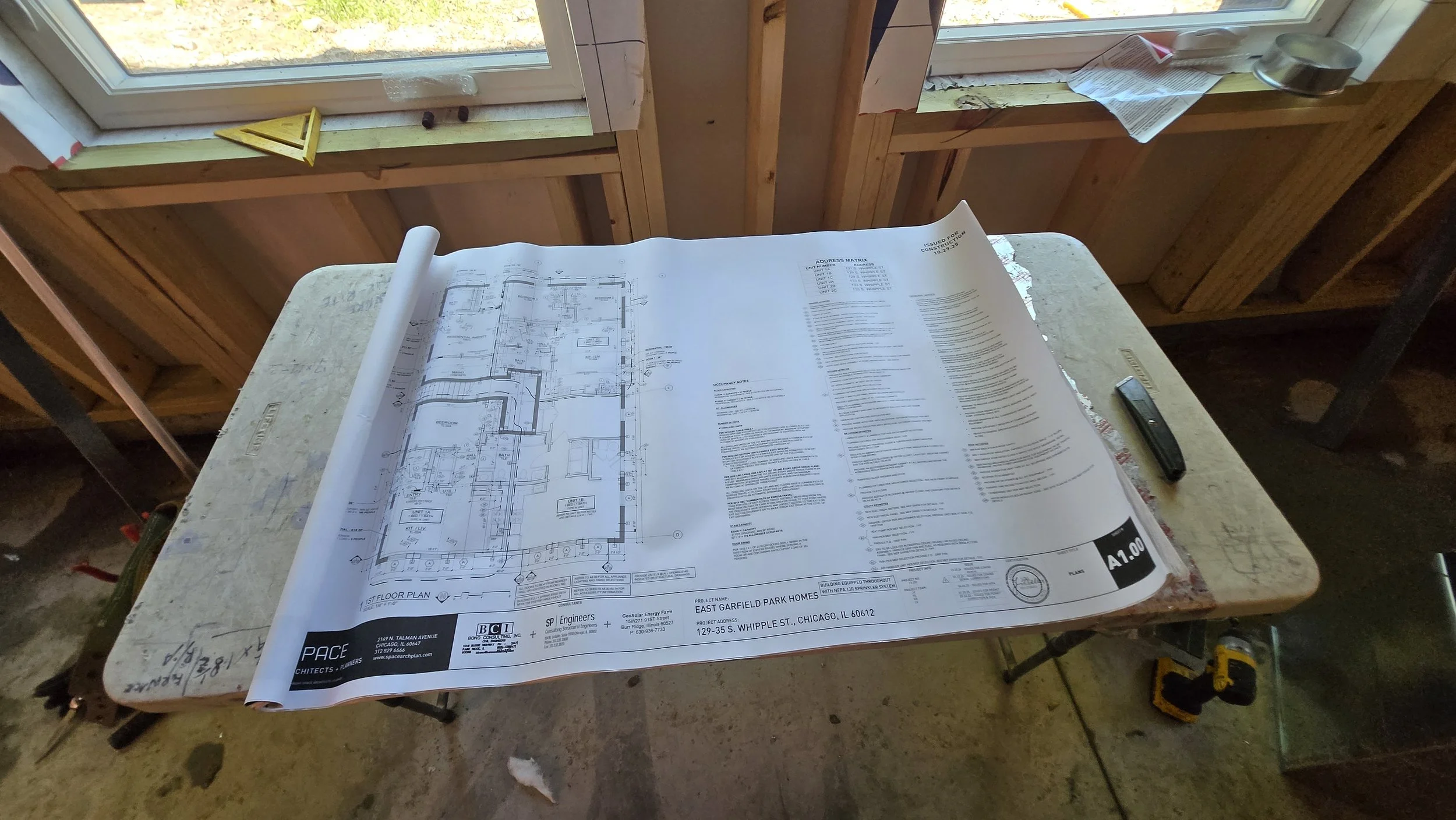
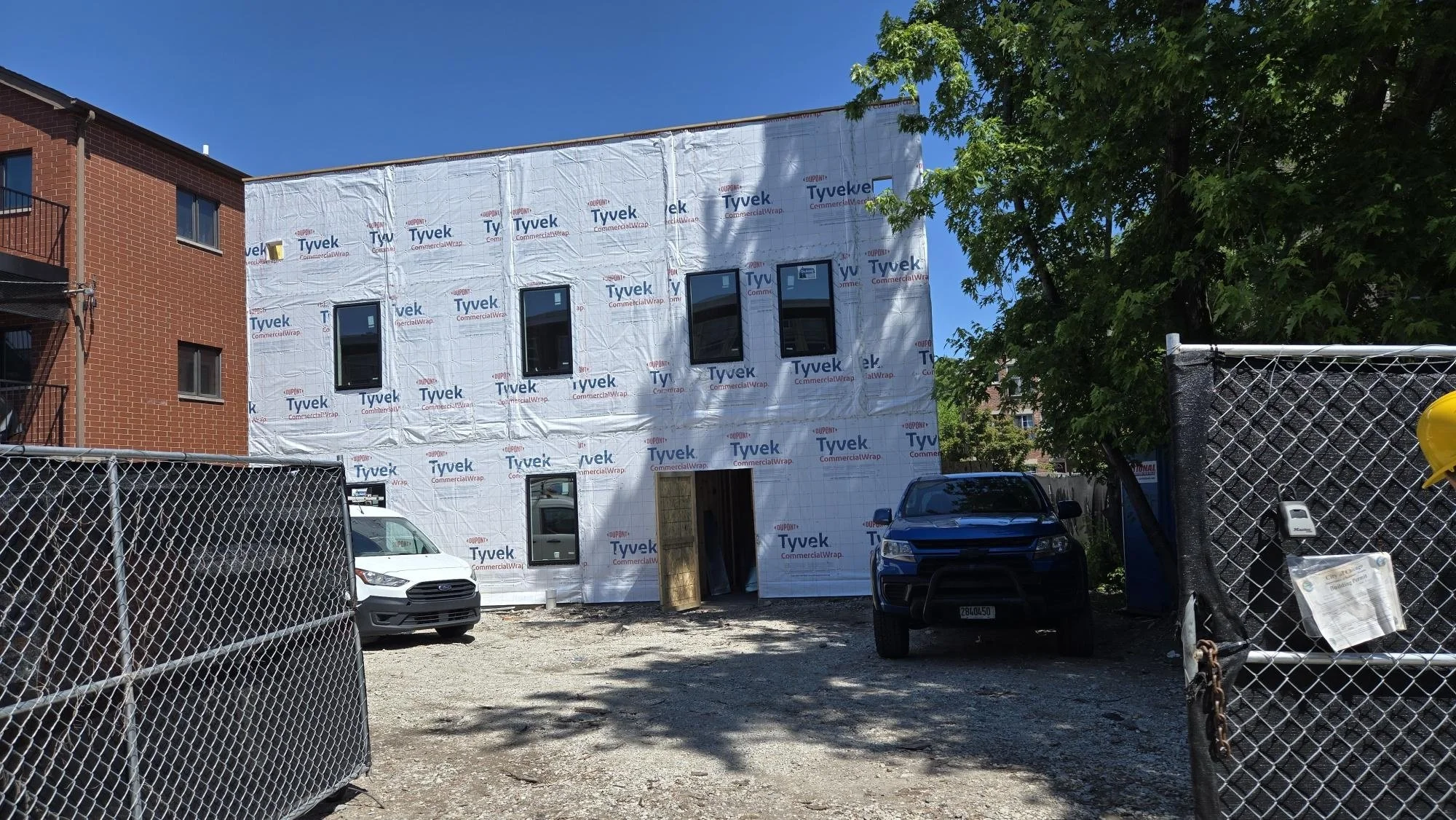
Decades of research show that PSH — long-term housing paired with supports like case management, healthcare coordination, and employment assistance — dramatically improves outcomes for people who have experienced homelessness. Residents in PSH are more likely to remain stably housed and consistently engaged in care, breaking the cycle of survival mode that often leads to repeated shelter stays or crisis services. Communities that expand PSH consistently see decreases in chronic homelessness, along with meaningful reductions in costly public interventions such as emergency healthcare use and criminal-justice involvement.
Chicago House has long understood that housing alone isn’t enough. Stability depends on the support that surrounds it. The East Garfield Park project reflects this approach, with flexible space for on-site meetings, privacy for residents, and a design that supports independence.
As some housing programs begin tying eligibility to work requirements, our Employment services place us in a strong position to help residents navigate these expectations. It’s expected that individuals in subsidized housing must meet minimum work or service-hour thresholds; already, our job-readiness coaching, training, and individualized support help residents build toward long-term economic stability.
As Michael Herman, our CEO, notes, “With the East Garfield Park project, we are doubling down on our commitment to provide a stable, supportive home. From experience, we know this is a foundation for dignity and self-sufficiency, even as funding and policies threaten to pull the floor out from under vulnerable people.”
By investing in permanent supportive housing now — when the stakes are highest — Chicago House is helping ensure that individuals and families have a safe place to call home amid rising criminalization and housing insecurity.
More updates will follow as construction moves toward the anticipated completion in May 2027.