The Age of Change
Last year, we introduced Aging in Place as a new chapter in Chicago House’s work, one focused on an increasingly important question: how does housing function for people living with HIV as they get older? At the time, we were developing staff training, housing design, and service approaches that would shape our model for a growing population of residents over the age of 50.
Since then, we have been building toward change.
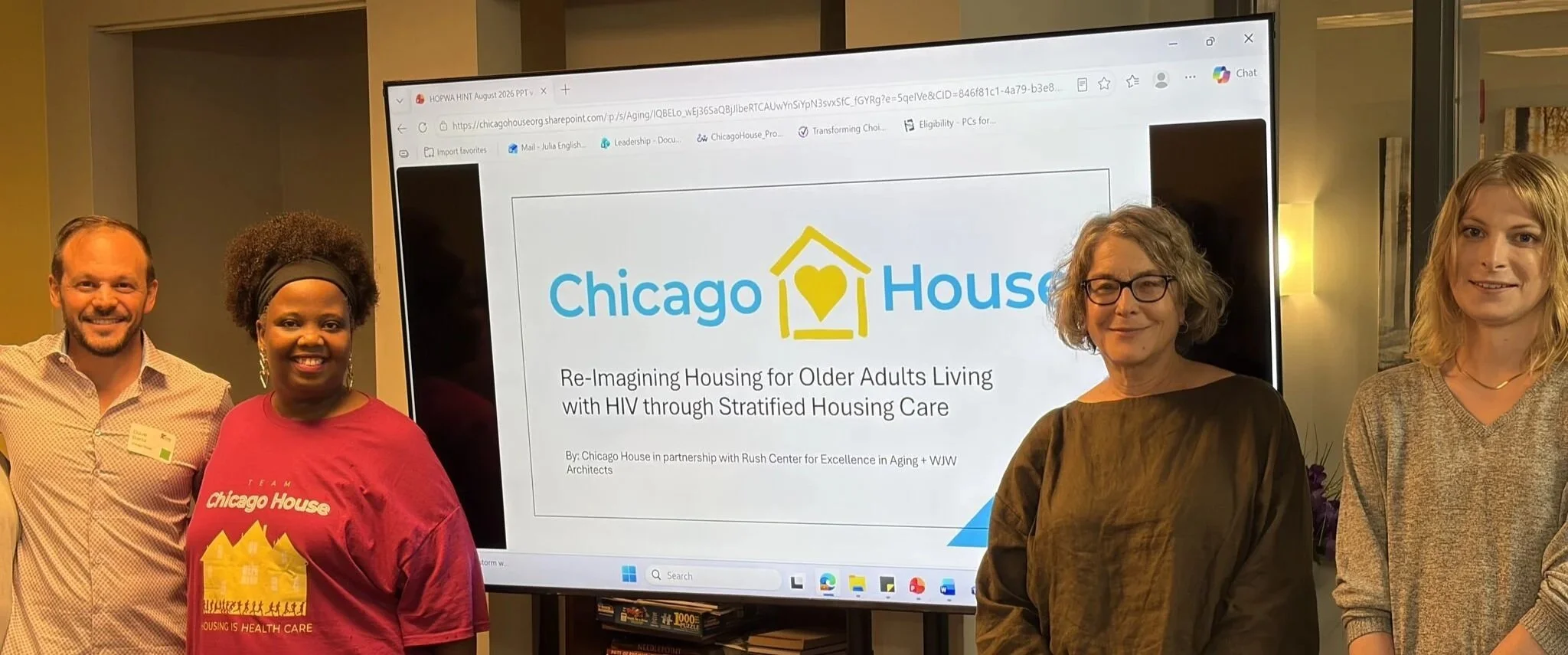
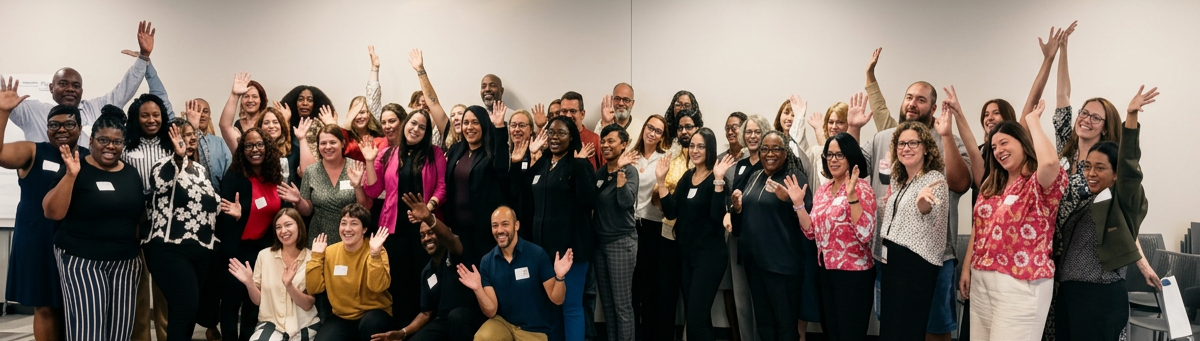
This August, Chicago House welcomed fellow grantees from across the country, staff from the Department of Housing and Urban Development’s (HUD) Office of HIV Housing, and local HUD representatives to our North Lawndale campus for a closer look at our progress. The visit gave us an opportunity to share what we have learned so far through our Aging in Place initiative while hearing from other organizations working to address the housing needs of people living with HIV.
Chicago House was selected in 2024 as one of just 13 organizations nationwide to participate in HUD’s highly competitive, three-year Housing Interventions to End the HIV Epidemic initiative. We are the only organization in the cohort focused specifically on the needs of older adults living with HIV.
Since we first introduced this initiative, our work has continued to advance. In partnership with the Rush Center for Excellence in Aging, we have been updating the tools and training that help our staff better understand and respond to the needs of older adults. We are also transforming our residential building in West Town into a pilot site designed specifically with aging in mind.
At the heart of this work is a fundamental idea: older adults do not all need the same kind of housing or the same level of support. Someone who is healthy and independent today may have different needs several years from now. Rather than waiting for those changes to become crises, Aging in Place reimagines how housing and services can adapt along the way.
That makes our West Town site an especially fitting place to test the approach. The building previously served as a supportive housing site where Chicago House provided 24-hour care to residents navigating complex needs. Today, we are once again rethinking how the space can be responsive to our residents as they get older, adapting a place that has already evolved alongside the people who call it home.
One of the next national challenges is making sure the generation that lived through the height of the HIV/AIDS epidemic can grow older with dignity. By bringing HUD staff and fellow grantees together at Chicago House, we took a crucial step in moving that conversation forward. What we learn through Aging in Place will not simply inform one building or one Chicago House program. We are developing a model that can be learned from and adapted by communities across the country as they confront the changing housing needs of people living with HIV.